
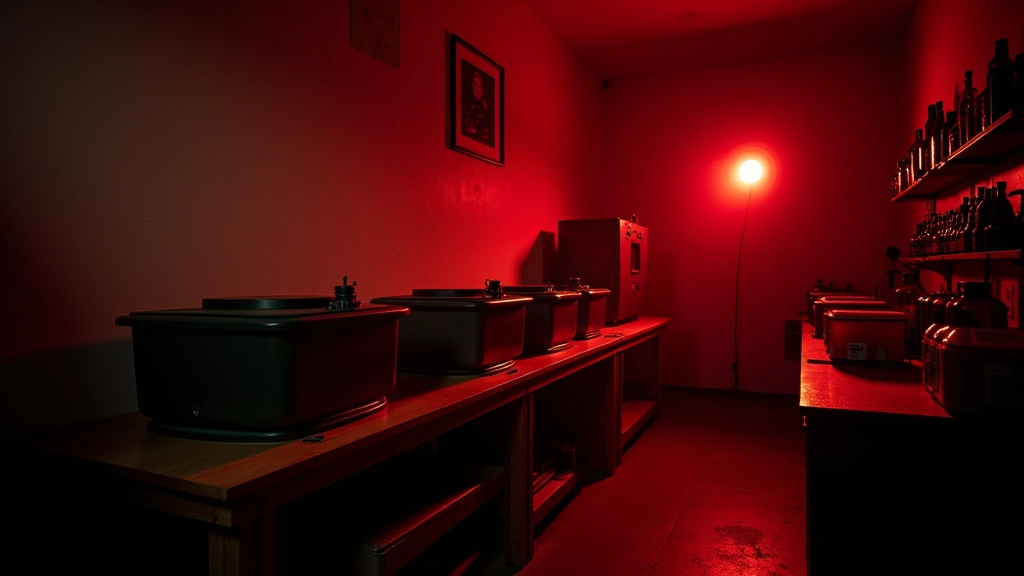
Your First Black and White Film Development
Step-by-step process for developing black and white film at home. Includes timing, temperatures, and troubleshooting common mistakes.
Read ArticleDiscover how aperture settings control sharpness in your portraits. We break down the numbers so they actually make sense.
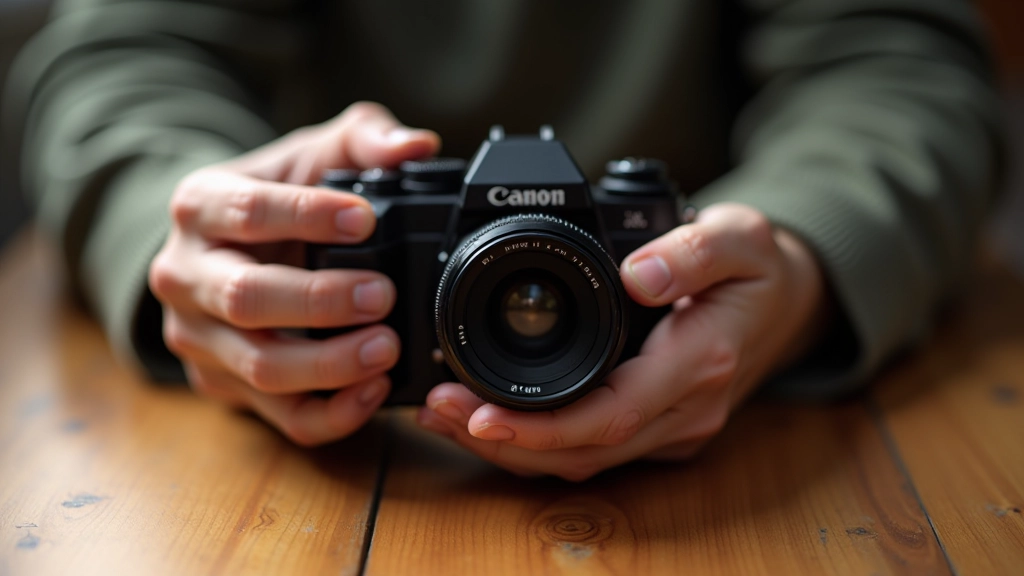
You've probably heard the term "f-stop" or "f-number" thrown around at camera clubs. It's simpler than you think. Aperture is just the opening in your camera lens — think of it like the pupil of your eye. When it's bright outside, your pupil shrinks. When it's dark, it opens wide. Your camera lens does exactly the same thing.
The confusing part? The numbers work backwards. A smaller f-number means a BIGGER opening. We're talking f/1.8, f/2.8, f/5.6, f/16. That f/1.8 aperture? That's letting in a ton of light. The f/16? That's a tiny opening, letting in much less. Once you understand that backwards relationship, everything else clicks into place.
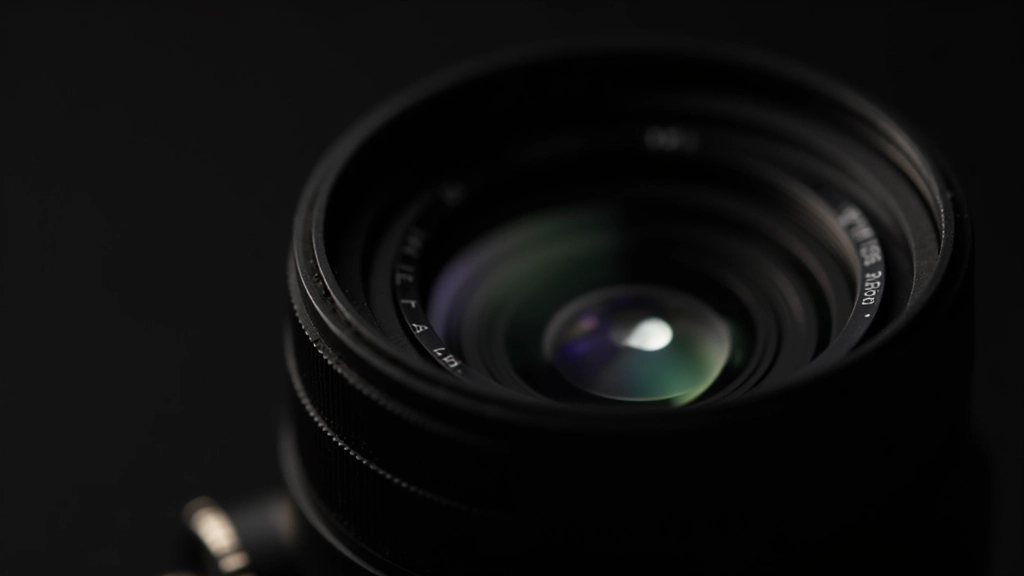

Here's where aperture gets interesting. The aperture directly controls something called depth of field — that's the zone in your photo that's actually sharp. Wide apertures (f/1.8, f/2.8) create shallow depth of field. You know that dreamy background blur you see in portraits? That's shallow depth of field. Your subject is pin-sharp but the background just melts away into soft circles of light.
Narrow apertures (f/11, f/16) create deep depth of field. Everything from foreground to background stays sharp. This is what you want for landscape photography or family group shots where you need everyone in focus. The trade-off? You need more light or a slower shutter speed.
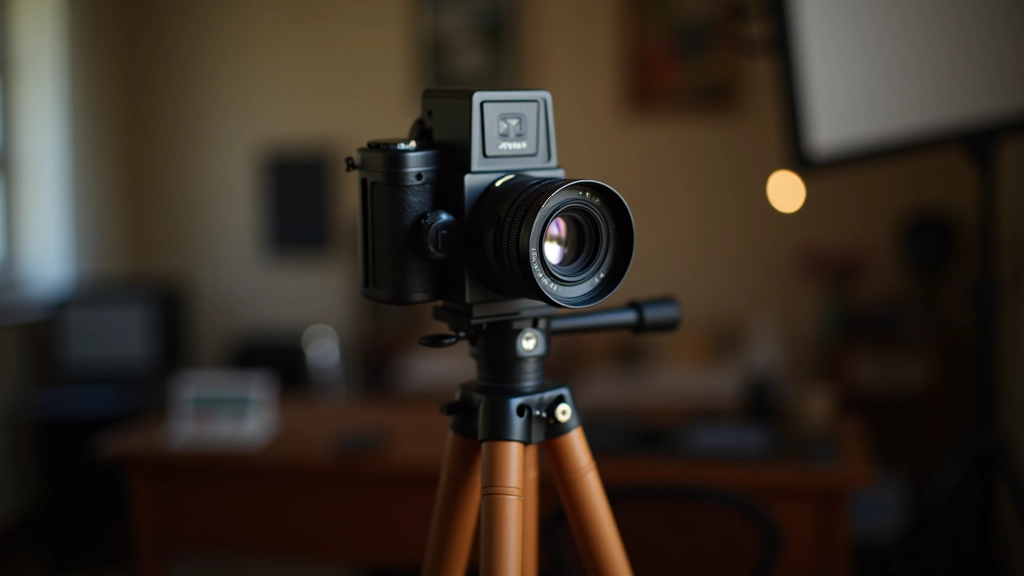
Quick tip: If you're shooting indoors with your vintage camera, you're probably stuck with f/2.8 or f/4 at best. That's actually perfect for portraits. Don't stress about having an f/1.8 lens — the tools you have work beautifully.
Aperture isn't the only thing that matters. Here's what's really going on when you're trying to get that soft background:
Wide apertures (smaller f-numbers) = shallow depth of field. Narrow apertures (larger f-numbers) = deep depth of field. This is the main control you have.
Move closer to your subject and depth of field gets shallower. Stand back further and more stuff comes into focus. With a 50mm lens at f/2.8, standing 3 feet away from someone gives you beautiful blur. Stand 10 feet back and that background tightens up.
A 50mm lens at f/2.8 gives different depth of field than an 85mm at f/2.8. Longer lenses naturally create shallower depth of field. Shorter lenses (like 35mm) give you more in focus. If you've got an 85mm portrait lens, you're already winning.
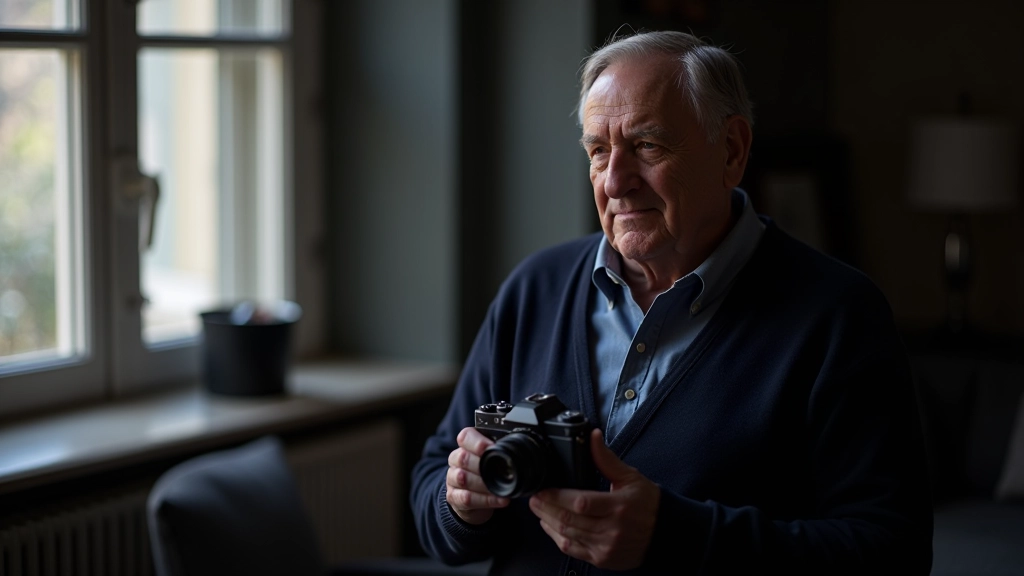
You're shooting a portrait of your grandchild in your living room. The couch behind them is cluttered. You want that background to disappear. Here's what you do: use the widest aperture your lens allows. If you've got f/2.8, use it. If you've got f/4, that works too. Then move closer to your subject — this makes the depth of field even shallower.
Now you're shooting a family group photo at a reunion. Everyone needs to be sharp. You're outside on an overcast day. Use f/8 or f/11. This deep depth of field means that whether someone's standing 6 feet or 12 feet from the camera, they'll be sharp. You've got plenty of light from the overcast sky so your shutter speed stays reasonable.
"The best aperture is the one that gives you the creative effect you want, combined with the light you actually have."
Aperture controls two things: how much light hits your film, and how much of the image stays in focus. Understanding this relationship changes how you shoot. You're not just randomly twisting that aperture ring — you're making intentional choices about what's sharp and what's blurred.
Start simple. Pick a focal length you like — maybe that 50mm or 85mm you've got. Learn how your camera behaves at f/2.8, f/4, f/5.6, and f/8. Shoot the same subject at different apertures. Print the results and compare them. This hands-on approach works better than any textbook explanation. Your eyes will understand what your brain was confused about.
Aperture is just the beginning. Our photography courses for adults walk you through everything — from understanding your camera to developing your own black-and-white film in our traditional darkroom.
Explore Our CoursesThis article provides educational information about aperture and depth of field for photographers learning fundamental camera techniques. Every camera model behaves slightly differently, and every film stock responds differently to light. The principles here are universal, but your specific camera may have different aperture markings or ranges. Always refer to your camera's manual for specific guidance. Photography is about experimentation — what works best depends on your equipment, your light, and what you're trying to create.
Step-by-step process for developing black and white film at home. Includes timing, temperatures, and troubleshooting common mistakes.
Read Article
Learn how to use window light for flattering portraits without expensive equipment. Covers positioning, time of day, and window direction.
Read Article
Essential editing techniques to enhance your photos before printing or sharing. Covers brightness, contrast, and preparing files for printing.
Read Article